The post alcohol consumption-What Does It Feel Like to Be Drunk? appeared first on MailsSoftware.
]]>- When you consume alcohol, it is absorbed through the stomach lining and into the bloodstream.
- Usually a man will start to feel tipsy after consuming 2 to 3 alcoholic drinks in an hour.
- And the more alcohol that is consumed, the higher the brain’s tolerance can be for reaching those “positive” effects.
- A typical adult would reach this level after 4-5 standard drinks within a couple hours.
- It feels like a mild, pleasant buzz when you are tipsy, and it feels like an overwhelming, disorienting state when you are drunk.
- Emotionally, individuals may experience mood swings, increased impulsivity, and a decreased ability to control their emotions.
The effects of alcohol on different people
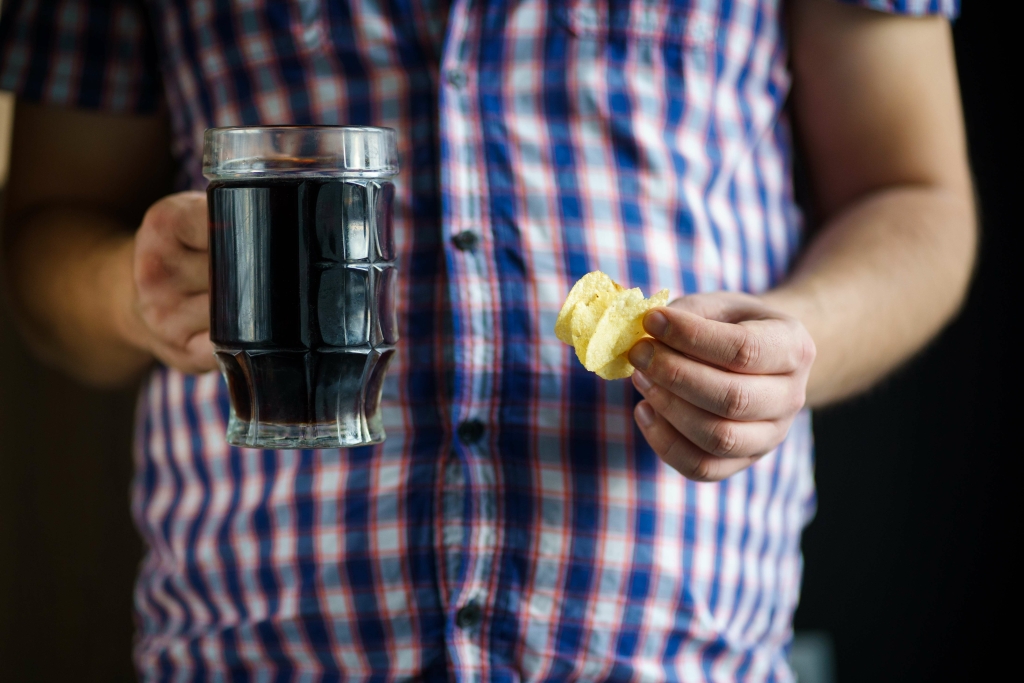
Friends or companions may start suggesting the individual stop drinking, as their intoxication becomes more concerning. The person may exhibit a range of noticeable symptoms, such as excessive laughter, overconfidence, or even agitation. Social cues become harder to interpret, leading to awkward or misjudged responses in conversations. Their ability to assess their surroundings and actions diminishes, which can result in poor decision-making, such as continuing to drink despite obvious signs Drug rehabilitation of intoxication. Being tipsy is the first stage of alcohol intoxication, typically occurring after one or two drinks, depending on factors like body weight and tolerance. At this stage, alcohol has entered the bloodstream and begins to affect the central nervous system, leading to a light buzz and the release of endorphins.

The 5 Stages of Being Drunk
But the line between tipsy and drunk can be blurry, and it’s important to understand the spectrum of intoxication. This article explores the subtle signs of tipsiness, from physical changes like flushed skin and altered coordination to shifts in your mood and behavior. We’ll discuss how alcohol affects your brain, why self-assessment can be tricky, and how to make responsible choices about your drinking. We’ll also debunk some common myths about “tipsy” drinking and provide resources for support. When you drink, alcohol enters your bloodstream what does being tipsy feel like and affects your brain’s neurotransmitters. At lower blood alcohol concentrations (BAC), the side effects of alcohol are mild and lead to a tipsy feeling.
Coma and Possible Death

This stage is often characterized by a heightened sense of euphoria, where the person feels even more confident, social, and adventurous. However, the increasing blood alcohol concentration (BAC) means that their ability to assess risks and consequences begins to diminish. The person may feel a false sense of control, believing they are still in command of their actions, even as alcohol starts to cloud their judgment. Despite feeling in control, subtle impairments to judgment and reaction times begin at the tipsy stage. While the person may feel more at ease and sociable, their ability to make decisions or accurately assess their level of intoxication may be affected.
- Feeling tipsy isn’t a purely physical experience; your perception plays a significant role.
- Both produce feelings of joy, pleasure, euphoria, depending on the type of activation.
- Ever notice how the environment you’re in affects how you feel when drinking?
- Speech, balance, coordination, and reaction time show only subtle impairment.
In this article, we delve into the various stages of being drunk, the emotional and psychological effects, and the impact on judgment and decision-making. Because of the brain’s dependence on alcohol, it can be difficult and painful to try and get sober on your own. It is important to seek professional and medical help when deciding that it’s time to get sober. The first week is the most difficult as far as the severity of withdrawal symptoms goes. Tipsy individuals experience mild effects with minimal impairment, while drunk persons show significant physical and cognitive limitations with https://finansepolaka.com/house-chapter-literature-guidelines-oxford-houses/ noticeable behavioral changes. Critically, the release of these endorphins and the interaction with GABA are concentrated within the brain’s reward center—the mesolimbic dopamine system.
The post alcohol consumption-What Does It Feel Like to Be Drunk? appeared first on MailsSoftware.
]]>The post MALADY in Big Book Alcoholics Anonymous, 12 Steps and 12 Traditions appeared first on MailsSoftware.
]]>What is A Spiritual Malady?
One way to think of a Higher Power is simply as a force that is greater than yourself. This could https://be-maintenance.com/2024/08/01/16-ways-to-stop-drinking-alcohol/ be the power of nature, the universe, or even something as simple as your cats or dogs at home – perhaps their love for you and the fact that they need you to be sober is your Higher Power. It doesn’t matter what your Higher Power is; what matters is that you believe in something that can help guide and support you on your journey to recovery. It is strange paradox, the more you focus on helping others, the more you discoverhow much you matter. Anxiousness, depression, and boredom are a few other factors that contribute to being spiritually maladapted.
If you recognize that you or someone you love needs help with an addiction, please contact Oceanfront Recovery now.
Thoughts like we can eventually manage our lives while in active addiction. Acts of service not only benefit others but also contribute to our own spiritual growth. Helping others helps build a stronger spiritual foundation, counteracting selfishness and promoting a sense of connectedness and community. Recovered On Purpose provides essential 4th Step worksheets to help people overcome the spiritual malady by working through their resentments, fears, and past harms.

Recovery Starts Here.
The selfish behavior focuses on personal gratification rather than meaningful connections, perpetuating the cycle of addiction caused by selfishness self centeredness. It is important that when we embark upon this quest to alleviate our spiritual malady that we are not too harsh on ourselves. No one is perfect at first when attempting to live a spiritual life, especially when we are coming back from a long spiritual hiatus.
Genuine Leather Big Book Covers
- Rather, it’s about finding meaning, purpose, and connection in ways that resonate with the individual.
- This connection with a power greater than ourselves is not necessarily religious but is about finding a profound spiritual grounding.
- Common signs include irritability, restlessness, and a pervasive sense of discontent.
- It explains that addiction stems from a threefold illness—physical craving, mental obsession, and spiritual sickness.
- Some refer to it as “untreated alcoholism.” Others use the term “bedevilments”, which comes from page 52 of the Big Book (which I’ll be discussing in a moment).
- Innovative approaches to mental health and recovery, such as those offered by Nsight Psychology & Addiction, often incorporate spiritual elements alongside evidence-based psychological treatments.
Many people say thatalcoholics have a disease of the mind, body, and spirit. Instead of seeing spirituality as a means to correct a “flawed” character, it can be viewed as a tool to enrich life and recovery. It involves exploring personal growth, embracing self-acceptance, and finding joy in new, fulfilling activities that don’t involve alcohol. AA suggests that when the spiritual malady is overcome, the Higher Power creates an opportunity for recovery.
- Many people are initially turned off to the idea of the program because they believe it preaches religion and God, and many addicts and alcoholics have no desire to pursue a religious answer.
- Take, for example, the story of John, a former alcoholic who had tried multiple treatment programs without success.
- Anyone can be spiritually maladapted, but as an alcoholic, we use alcohol to deal with having a spiritual malady.
- This daily practice helps stabilize and clarify our lives, significantly reducing the obsession with substances and offering a sense of freedom.
- It leads to judgment, isolation, and a feeling of superiority.
- As we continue to grapple with the complex issue of addiction in our society, it’s clear that a one-size-fits-all approach is insufficient.
They may start to skip meetings, distance themselves from their support system, and eventually relapse. Without a connection to a higher power, it can get quite ugly in sobriety. Once we are aware of these feelings, we can begin the real work on ourselves.
Following this program will cause them to feel less alone or closed off from the messages of life, thus relieving them from the burden of isolation. Step 1 in the AA programme is “ We admitted we were powerless over alcohol – that our lives had become unmanageable”. Some causes of a spiritual malady may include a disconnection from one’s spiritual values or beliefs, unresolved emotional trauma, feeling stuck or unfulfilled in one’s career or personal life, and a lack of self-awareness. A spiritual malady is a term used to describe an inner experience or feeling of disconnection, emptiness, or lack of purpose that a person may experience when they are not aligned with their spiritual or higher power.

What Do We Mean by Recovered?
By leveraging advances in genetics, neuroscience, and psychological assessment, we may be able to identify which spiritual alcohol rehab practices are most likely to benefit specific individuals, maximizing the effectiveness of treatment. As we can see, there are primary sources and documented accounts that early A.A. Spiritual roots for recovery, the Pioneer A.A.’s fully recovered, finally being cured of alcoholism. Principles” seem to have forgotten the important Christian principles that produced early A.A.’s high success rates.
When things get tough, take a moment to pray, meditate, or just sit quietly and think about your Higher Power and what it means to you. Allow yourself to feel the strength and support that comes from knowing that there is something bigger than yourself out there rooting for your success. One of the great things about AA is that it’s flexible – you can make it work for you, even if you don’t believe in God. So, instead of fixating on the parts of the program that don’t work for you, focus on the things that do.
Big Book Sponsorship Store
Conveniently, I overlooked the words ‘God as you understand Him (or Her’) ingeniously included in the steps. If you or someone you love is struggling with addiction help is available 24/7. When we have the first sip of a drink, or whiff of a drug, it is then controlling our bodies. Once we indulge in the first drink, our judgment and normal concerns are skewed.
Last year I was diagnosed with diabetes, which I’ve written more about here. Fortunately, it was caught early enough that I had a chance to try and manage it with lifestyle changes. The day after I got the news, I started on my brand new low-sugar, low-carb lifestyle of eating, which I referred to at the time as the “no more happiness” diet. (Its actually turned out to be awesome!) I suffered a good amount of physical cravings the first two weeks. Then one day at work I was walking past a bunch donuts some evil salesman had left in the break room when I realized that I no longer physically craved sugar.
The post MALADY in Big Book Alcoholics Anonymous, 12 Steps and 12 Traditions appeared first on MailsSoftware.
]]>The post Why alcohol is so dangerous for young adults’ brains appeared first on MailsSoftware.
]]>- It raises questions about its classification under criminal law, specifically whether it constitutes a felony or misdemeanor.
- Underage drinking also affects brain development, leading to cognitive deficits, poor academic performance, and difficulties in social functioning.
- However, jail time is usually a possibility only if the offender is at least 18 years old.
- Underage drinking tends to be a social activity, but this doesn’t mean young drinkers are forming strong friendships.
- If caught drinking underage, one may face fines ranging from $50 to $500 for possessing an open container or consuming alcohol in public.
Should You Talk to Police Without a Lawyer Present?
Furthermore, the social and environmental factors that contribute to underage drinking, such as peer pressure and familial attitudes toward alcohol, also play a significant role in adult drinking behaviors. To prevent underage drinking, interventions must occur at four societal levels – individual, school, family, community, and policy. Signs of underage drinking include changes in behavior such as increased secrecy, withdrawal from consequences of drinking family activities, and new friends who drink. Physical indicators include the smell of alcohol, bloodshot eyes, and coordination issues. Underage drinking is a serious public health problem in the United States, where alcohol is the most widely used substance among young people.

Social Host Civil Liability

In short, current alcohol policy rests on a collectivejudgment, rooted in the Prohibition experience, that the wisdom andpropriety of alcohol use among adults should be left to the diversemoral judgments of the American people. This is not to say that everyonesupports this stance of government neutrality. Many public healthexperts would like to take steps (short of prohibition) to suppressalcohol consumption as a way of reducing alcohol problems, and Alcohol Use Disorder someconservative religious groups would take a more aggressive public stanceagainst intoxication itself. However, the current stance of temperedneutrality seems to be widely accepted and therefore fairly stable. There are signs that public attention to underage drinking is increasing and thatthe public recognizes the need to address the problem more aggressively than hasthus far occurred.
- Addiction treatment for underage minors can differ significantly from treatment for adults, partly because children are less mature and often have fewer responsibilities than adults.
- Eighteen percent of the frequent heavydrinkers said they were forced to have sex in the past year,compared to 5 percent of nondrinkers.
- The National Institute of Alcoholism and Alcohol Abuse (NIAAA) discovered that while underage youth drink less than adults overall, they consume much larger quantities than their adult counterparts in a single sitting.
- That commonsense view of adolescent human nature,coupled with the fact that underage drinking is illegal,provides some justification for ignoring the pleasures ofdrinking as perceived by teens and accounting only for theharmful consequences.
Updates to the 2006 Law Strength Scores
A recent cost ofillness study estimates that in 1996, the total cost of underage drinkingwas $52.8 billion (U.S.Department of Justice, 1999; Levy et al., 1999a). Because reductionsin costs are a benefit to society, it is tempting to conclude from thisestimate that by eliminating underage drinking, society could reap $52.8billion of benefits. However, from a practical standpoint, it is not reallyuseful to compare the current situation to a highly unlikely alternativescenario where no one under the age of 21 drinks. In 2001, accordingto the NHSDA, 2 percent of 12-year-olds and 3 percent of 13-year-oldsconsumed 5 or more drinks on at least one occasion in the past 30 days.
The post Why alcohol is so dangerous for young adults’ brains appeared first on MailsSoftware.
]]>The post Abstinence Violation Effect: How Does Relapse Impact Recovery? appeared first on MailsSoftware.
]]>Abstinence Violation Effect (AVE) What It Is & Relapse Prevention Strategies
It includes thoughts and feelings like shame, guilt, anger, failure, depression, and recklessness as well as a return to addictive behaviors and drug use. As a result of stress, high-risk situations, or inborn anxieties, you are experiencing negative emotional responses. Emotional the abstinence violation effect refers to relapses can be incredibly difficult to recognize because they occur so deeply below the surface in your mind. Additionally, individuals may engage in cognitive distortions or negative self-talk, such as believing that the relapse is evidence of personal weakness.
Stigma and Discrimination Among Healthcare Providers

Be familiar with the required protocols of providers, facilities, and services. Know how to use 12-Step facilitation techniques to link clients https://zkus.mupyonline.cz/blog/2025/01/27/relapse-the-10-most-common-triggers/ to 12-Step groups as appropriate. Know the landscape of available recovery communities and services as well as mutual-help groups. Understand structural competency and inequities that contribute to and perpetuate health disparities. Understand how problematic substance use may influence mental issues and suicidality.
Understand The Relapse Process
But by recognizing that mistakes can happen and learning how to quickly right oneself, long-term abstinence can be achieved. Helping clients develop positive addictions or substitute indulgences (e.g. jogging, meditation, relaxation, exercise, hobbies, or creative tasks) also help to balance their lifestyle6. Lapse management includes drawing a contract with the client to limit use, to contact the therapist as soon as possible, and to evaluate the situation for factors that triggered the lapse6. Critical for craving and relapse is the process of associative learning, whereby environmental stimuli repeatedly paired with drug consumption acquire incentive-motivational value, evoking expectation of drug availability and memories of past drug euphoria15. For example, maybe your short-term goal is to eat healthy and build muscle so that you can perform better in your sport, and your long-term goal is to care for your body in order to avoid preventable diseases later in life. No matter what it is, you need to find a reason that you legitimately care about to keep you on track.
How to Survive a Narcissist: 7 Proven Strategies for Protecting Your Mental Health
It has also been used to advocate for managed alcohol and housing first programs, which represent a harm reduction approach to high-risk drinking among people with severe AUD (Collins et al., 2012; Ivsins et al., 2019). Because relapse is the most common outcome of treatment for addictions, it must be addressed, anticipated, and prepared for during treatment. The RP model views relapse not as a failure, but as part of the recovery process and an opportunity for learning. Marlatt (1985) describes an abstinence violation effect (AVE) that leads people to respond to any return to drug or alcohol use after a period of abstinence with despair and a sense of failure. By undermining confidence, these negative thoughts and feelings increase the likelihood that an isolated “lapse” will lead to a full-blown relapse.
Relapse Prevention And Ongoing Treatment At Bedrock

It’s important to challenge negative beliefs and cognitive distortions that may arise following a Twelve-step program relapse. These covert antecedents include lifestyle factors, such as overall stress level, one’s temperament and personality, as well as cognitive factors. These may serve to set up a relapse, for example, using rationalization, denial, or a desire for immediate gratification. Lifestyle factors have been proposed as the covert antecedents most strongly related to the risk of relapse.
How to Prepare for Trauma Therapy Work in Philadelphia
Limited research has looked at the effects of intersecting identities on SUD treatment.513 More is known about the associations between intersecting identities and substance use, information that is useful for counselors. Become familiar with and advocate for needed recovery services and social services not available in the community. Provide services based on the client’s most urgent needs (e.g., housing, food, child care).
- Someone actively using substances in a problematic way should not be referred to as a “substance abuser” or “addict,” which can suggest that they, the person, are the problem.
- The 2010 Patient Protection and Affordable Care Act expanded the reach of MHPAEA.
- Identify triggers that may have contributed to the relapse and develop strategies to address them proactively in the future.
- The expected drug effects do not necessarily correspond with the actual effects experienced after consumption.
Decisional Balancing To Address Ambivalence About Changing Problematic Use
In RP client and therapist are equal partners and the client is encouraged to actively contribute solutions for the problem. You’re mindful of your food choices, counting calories, and seeing positive changes in your lifestyle. It helps for people to remind themselves that if they can resist an addictive urge once, it will become easier and easier to do it again in the future. These patterns of thinking are extremely common, and they keep us working against ourselves. The need to be a perfect version of ourselves once we hit the “reset” button is a toxic and falsely hopeful outlook on life.
The post Abstinence Violation Effect: How Does Relapse Impact Recovery? appeared first on MailsSoftware.
]]>The post What is Wet Brain? Stages, Signs & Causes appeared first on MailsSoftware.
]]>
Treatment for Alcohol Use Disorder
Contact our admissions team, available 24/7, to start your journey towards recovery. In some cases, doctors might use MRI (magnetic resonance imaging) or CT (computed tomography) scans to look for signs of brain damage or to rule out other causes of the symptoms. These scans can show if there is any damage to the brain or other problems that might be causing the symptoms. Confabulation is a type of memory error in which a person makes up stories or fills memory gaps with details that are not true. This can make it hard for a person to distinguish between real memories and made-up ones.
How long does it take to develop wet brain?
- This is particularly true for individuals who continue to consume alcohol while experiencing WKS symptoms.
- Not all alcoholics get dementia, however, excessive alcohol consumption can impact the brain and may put a person at a higher risk of developing dementia.
- When she is not working, she enjoys travel, rollerblading, and playing with her dog, Hamilton.
- Life expectancy for individuals with WKS is influenced by factors such as continued alcohol use, the presence of comorbid conditions, and the effectiveness of nutritional and medical interventions.
This loss of memory often coexists with confusion and an inability to focus, making it hard for someone to process basic information or hold a coherent conversation. We aim to support the widest array of browsers and assistive technologies as possible, so our users can choose the best fitting tools for them, with as few limitations as possible. This website utilizes various technologies that are meant to make it as accessible as possible at all times. We utilize an accessibility interface that allows persons with specificdisabilities what is alcoholism to adjust the website’s UI (user interface) and design it to their personal needs.

Wernicke-Korsakoff Syndrome (also referred to as wet brain) is a serious brain condition caused by poor nutrition and a thiamine (vitamin B1) deficiency. With ongoing deficiency, permanent brain changes can occur and become life-threatening. While early intervention during the Wernicke’s encephalopathy stage can prevent the progression to Korsakoff’s psychosis, many individuals do not receive treatment in time. It’s important to recognize the early signs of this condition and seek prompt medical care. While thiamine deficiency can happen to people with poor diets, it is more common in those who drink heavily over the course of many years.
Is Alcoholism a Mental Illness?
While chronic alcohol abuse is a significant risk factor for wet brain, anyone with a severe vitamin B1 deficiency can develop the condition, such as people with eating disorders or advanced cancer. When discussing wet brain, it’s important to view it within the spectrum of alcohol-related brain damage (ARBD), which includes multiple cognitive conditions linked to long-term alcohol use. Wet brain, medically known as Wernicke-Korsakoff Syndrome (WKS), is a severe neurological condition caused by a deficiency in vitamin B1 (thiamine).
Learning to recognize the symptoms and seeking help early can help prevent these outcomes. The Recovery Village Palmer Lake offers a full range of evidence-based treatment programs for alcohol use disorder. From safe medical detox to inpatient or outpatient treatment, each program is tailored to address the unique needs of every client. Therapies are designed to help individuals develop relapse-prevention strategies, nurture healthy coping mechanisms and rebuild their lives without alcohol. It is extremely important that if you suspect you or someone you love suffers from wet brain syndrome, you get them the help they need. What people tend to not think about, or might not even know about, is a condition known as wet brain.
Eating Disorders
With 10 years of experience working in and writing about mental health and addiction treatment, societal issues, and history, she ensures the quality and authenticity of written content at RU. She holds degrees in behavioral psychology, cultural anthropology, and marketing. When she is not working, she enjoys travel, rollerblading, and playing with her dog, Hamilton. Take back your life by seeking a compassionate addiction treatment center that wants to join you as a supportive partner in your recovery journey. Even if it seems like wet brain or alcohol use disorder is insurmountable, there is always hope at the end of the tunnel. If the patient is diagnosed during the Wernicke’s encephalopathy stage, some symptoms may be reversible with prompt vitamin B1 treatment.
How common is Wernicke-Korsakoff syndrome?
- Early treatment with intravenous thiamine injections and lifestyle changes, such as an improved diet and abstinence from alcohol, can increase the chances of recovery 1.
- This therapy helps identify the underlying emotional causes behind a drinking problem, thus equipping alcoholics with better coping mechanisms.
- Also known as vitamin B1, you need this essential vitamin to aid your body’s nerve, brain, muscle, and heart functions.
- There’s no single test for WKS, so healthcare providers rely on a combination of clinical tools to make an accurate diagnosis.
Additionally, seeking professional help for alcohol use disorder can address the root problem of excessive drinking, preventing many of the complications that arise from chronic alcohol misuse. It is our hope that you can use the information we provide to better understand wet brain including what causes it, how to recognize it and how it is treated. The level of brain damage that occurs with wet brain is directly correlated to how much and how often someone drinks. People who start problem drinking at young ages, and drink heavily will be at higher risk of developing wet brain than those who drink moderately or don’t develop alcoholism until they are older.
- Once someone develops Korsakoff’s syndrome, recovery focuses on management and quality of life.
- Korsakoff psychosis is a form of dementia and presents after the acute phase of Wernicke encephalopathy has subsided, leaving long-term cognitive deficits.
- If you or someone you know exhibits symptoms of Wernicke-Korsakoff Syndrome, it is essential to seek medical attention promptly to receive an accurate diagnosis and appropriate treatment plan.
- Therapies are designed to help individuals develop relapse-prevention strategies, nurture healthy coping mechanisms and rebuild their lives without alcohol.
- When the brain does not have enough thiamine, it struggles to convert sugar into the energy it needs for normal, healthy function.
Is Wet Brain Commonly Diagnosed?

At Principles Recovery, we are dedicated to providing a safe, compassionate environment where individuals can reclaim their health and rebuild their lives. If you or a loved one is struggling with addiction, our team is here to help you find a path forward. Contact us today to learn more about how we can help start you on your recovery journey. If you or someone you know is experiencing any of the above signs, it is important to seek professional help.
However, once Korsakoff’s psychosis develops, the damage is often permanent. Although the name might suggest Wernicke-Korsakoff syndrome https://mieuxcomprendre.ca/how-long-does-weed-stay-in-system-after-quitting-2/ is a single condition, it generally occurs in two different phases, each with their own constellation of symptoms. Ria Health offers several FDA-approved medications for alcohol use disorder.
The post What is Wet Brain? Stages, Signs & Causes appeared first on MailsSoftware.
]]>The post Alcohol Tapering Avoiding the Symptoms of Alcohol Withdrawal appeared first on MailsSoftware.
]]>
How Nature Therapy Can Aid in the Recovery Journey
Mindfulness and meditation can also help you stay present and reduce the urge to drink. If cravings become overwhelming, remind yourself of your long-term goals drug addiction and the benefits of reducing alcohol consumption, such as improved health, better sleep, and increased energy. Consider seeking support from a friend, family member, or support group to stay accountable and motivated. The most recommended form of alcohol to use in tapering is beer due to its lower alcohol content.
Optimizing the Alcohol Taper Schedule for Safe Withdrawal
These lifestyle changes contribute to a supportive environment for your recovery journey. Once alcohol is stopped, your brain continues to be hyperactive until it readjusts to the absence of alcohol. This process is often referred to as detox and often causes withdrawal symptoms. Your risk of certain diseases decreases, you will begin sleeping better, and your overall health can significantly benefit. Certain vitamins have shown potential benefits in supporting individuals during alcohol withdrawal.
- These steps, in combination with other strategies for quitting drinking safely, can greatly increase your chances of long-term success.
- If in-person sessions are not feasible, many therapists offer virtual options, making it easier to access professional help.
- Additionally, the post-detox treatment resources available at a professional treatment center can ease the transition to sober living and give you the tools you need to stay sober long-term.
- Additionally, medical supervision can help identify and address any underlying health conditions that may have been exacerbated by alcohol consumption.
- Your body has become used to, and dependent on, certain levels of alcohol.
Tapering off Alcohol
Professionals, such as doctors, therapists, counselors, or addiction specialists, can provide valuable guidance and expertise tailored to your specific needs. They can help you develop a personalized treatment plan, address any underlying issues contributing to your alcohol use, and provide ongoing support. The Recovery Village Columbus offers comprehensive addiction treatment for drug and alcohol addictions and co-occurring mental health conditions.
What Is Alcohol Tapering?
Addressing these challenges with the right information and support is crucial for a successful recovery journey. Tapering refers to gradually reducing alcohol intake rather than stopping abruptly. Knowing how to taper off alcohol is key to preventing dangerous withdrawal symptoms such as seizures, tremors, and extreme anxiety. A slow, controlled reduction allows your body to adjust to lower alcohol levels without triggering severe reactions. Consistency is key; a successful taper involves a clear, structured plan with set goals and intervals for reducing alcohol consumption.
How Long Does Medicare Pay for Inpatient Rehab?
Your doctor may prescribe certain MAT medications to assist in alcohol tapering. These prescription medications can help manage alcohol withdrawal symptoms and cravings, making the healing process more manageable and safe. Always talk to a health provider before you attempt any sort of alcohol withdrawal plan. If your alcohol dependence is moderate to severe, tapering on your own might not be effective or safe. In addition, if you have powerful cravings or struggle to limit your intake, it’s a sign you may need professional assistance.
The Importance of Financial Planning in Recovery
It requires setting goals, committing to change, and seeking support from loved ones. Are you looking to cut back on excessive drinking and take control of your health? You can taper off alcohol and there is an effective way to achieve this goal. Tapering is a gradual process that helps prevent alcohol withdrawal symptoms and health risks.

In some cases, individuals who have been consuming alcohol heavily and for an extended period may experience more severe withdrawal symptoms. These symptoms may include delirium tremens (DT), a severe and potentially life-threatening condition. DT can involve confusion, hallucinations, seizures, irregular heart rate, and high blood pressure. If you or someone you know experiences severe withdrawal symptoms, it is essential to seek immediate medical attention.
They can provide guidance, medical supervision, and create an individualized plan tailored to your specific needs. Detoxification can be physically demanding, and having professionals by your side ensures that you receive the necessary support and care throughout the process. They can also guide you on the alcohol detox timeline and help manage any alcohol detox symptoms that may arise. When you gradually drink less instead of quitting cold turkey, you give your body a chance to get used to smaller amounts of alcohol.
Who Can Benefit From Tapering Their Alcohol Intake

Staffed by medical professionals, these programs offer 24-hour monitoring so you always have support if any complications arise. Tapering is meant to reduce the withdrawal symptoms from quitting alcohol, but this isn’t a guarantee. As mentioned above, many people will still experience some level of withdrawal, just to a lesser degree. Adapt your goals and strategies as needed, and seek professional guidance to ensure you’re on the right track. Stay motivated, celebrate your achievements along the way, and focus on the positive https://ecosober.com/ changes that come with a life free from alcohol. Common triggers for alcohol consumption may include social gatherings, stress, anxiety, loneliness, or certain locations.
The post Alcohol Tapering Avoiding the Symptoms of Alcohol Withdrawal appeared first on MailsSoftware.
]]>The post Alcoholic neuropathy: possible mechanisms and future treatment possibilities appeared first on MailsSoftware.
]]>Causes of Alcoholic Neuropathy

However, those with severe alcohol misuse might also have symptoms in their hands. Common symptoms include pain, numbness, and a feeling of pins and needles. Pain is frequently reported and can be the first noticeable sign of the disease. It’s important to consider Substance abuse this condition if a patient’s health history suggests it could be a possibility. Over time, the disease can lead to equal motor and sensory problems spreading up the body. Many different stimuli, including growth factors, cytokines, viral infection, ligands for heterotrimeric G protein-coupled receptors, transforming agents, and carcinogens, activate the ERK pathway.
Get Help for Alcohol Addiction Before Neuropathy Develops

Alcoholic neuropathy is one of the most common adverse effects of chronic alcohol consumption. There is damage to the nerves due to the direct toxic effect of alcohol and the malnutrition induced by it. Patients present with pain, ataxia, and paresthesias in the lower extremities. This activity describes the evaluation and management of alcoholic neuropathy and reviews the role of the interprofessional team in improving care http://metlex.pl/2022/08/03/how-long-does-heroin-stay-in-your-system-blood-and-4/ for patients with this condition. Deficiency of vitamins other than thiamine may also contribute to clinical features of alcoholic neuropathy.
- This study showed that as well as thiamine replacement, corrections of low circulating levels of nicotinic acid, pantothenic acid and vitamin B6 can result in an improvement of alcohol-related peripheral neuropathies.
- Thus, there is a need to screen acetyl-L-carnitine in both preclinical and clinical models of alcoholic neuropathy.
- They have central effects on pain transmission and block the active re-uptake of norepinephrine and serotonin.
- People can experience tingling, burning or numbness in the hands and feet or a heightened sensitivity to touch.
- However, people with alcoholic neuropathy can make healthy changes to minimize symptoms and receive help for chronic alcohol use.
How Drugs That Block Opiate Effects Work
- For this, alcohol must be completely eliminated from the diet, the nutritional deficiencies must be corrected, symptoms must be brought under control and rehabilitation must be focused on.
- If the sensation is decreased enough, you may feel actual numbness after drinking alcohol.
- Patient’s history is important to analyze the social habits, work environment, dietary habits, history of alcoholism and family history of diabetes or neurological disease.
Heavy drinkers may experience several health scares, not short of liver failure and severe health implications like ALN. Rather, your treatment program will be built around the goals of controlling your symptoms and preserving your independence for as long as possible. In many cases, chronic drinkers are unable to store and use various vitamins and minerals, so a blood test may be used to see if you’re deficient in certain areas. Symptoms of the condition range from slight discomfort to chronic pain and significant disability. “Mechanisms of vitamin deficiencies in alcoholism.” National Library of Medicine, December 1986.

The post Alcoholic neuropathy: possible mechanisms and future treatment possibilities appeared first on MailsSoftware.
]]>